Looking for a tax free, no risk investment with a guaranteed 6-18% return? This might sound too good to be true but it’s not. Once you have an emergency cash reserve it’s time to start thinking seriously about your investing strategy. Part of that strategy is finding the investment that will yield the highest return with the lowest risk. Tax considerations must also play a role when you start looking for places to put your money. If you could find a place to make a guaranteed, zero risk, tax free investment would you jump at the chance to put your money there?

Pay off credit card debt

If you have consumer debt on credit cards you qualify for this “opportunity”. Your credit debt and interest payments work against any positive interest you might be accruing. Lets say you’re earning 12% a year in the stock market. After taxes you’re only getting 9% unless you’re protected by a ROTH IRA. A 9% return is the average stock market return over thirty years (minus taxes). If you have an equal amount of money in consumer credit card debt and your paying 18% a year in payments you are still down. You are actually losing -9% a year with your current investment strategy.

Risk is a considerable factor as well. If the market is down you could be earning nothing or have negative returns in the short term. This would decrease your -9% to -18% in a hurry. If you tack on inflation you’re investment strategy is negative over -20 percent!

Paying off credit cards isn’t very exciting. It doesn’t feel the same as making new money. When you add up all the positive returns you are making and subtract your negative interest it only makes sense to stop the bleeding. Once you’ve got your debt under control start making positive investments.

You might consider different debt consolidation options, selling stuff, or drive a different car. All of which will help you in your investment goals.
Tagged with:
 

Compound Interest is one of the most important concepts in personal finance. By understanding the power of compound interest and how it works it will change your investing strategy, your mindset, and your goals. This concept is so powerful that Einstein is quoted as saying “The most powerful force in the universe is compound interest”.

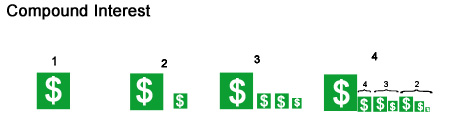
The idea is simple. Compound interest is interest that becomes principle. When the earned interest becomes principle it starts earning interest on itself. To help illustrate, lets contrast Simple Interest with Compound Interest.


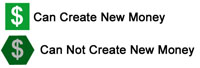
Key to Different Types of Interest

In the following example the icons that look like squares can earn interest. The squares are ‘money makers’. The hexagons can’t create money. They are paid out as interest.
key-to-simple-and-compound-interest.jpg

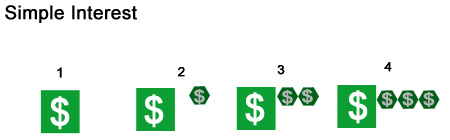
Simple Interest Example

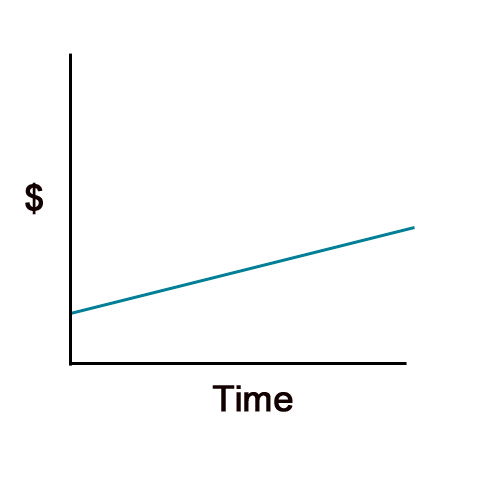
Simple interest keeps the earned interest and the principle separate. In other words, the interest never becomes principle. Simple Interest growth would look like this:

Simple Interest Graph

Compound Interest Growth
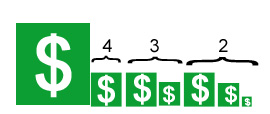
When Compound Interest grows it makes smaller pieces of principle which also earn interest. One of these new pieces of earned money changes from interest to principle when the account compounds. Investments can compound yearly, biannually, quarterly, monthly, and even sooner in some cases. The more something compounds the sooner you can make new money off earned interest.

Intererst Becomes Principle

The above illustration shows the interest making new amounts of interest from themselves. These new sums of principle will grow independently of the first sum of principle.

Compound and Simple Interest Example
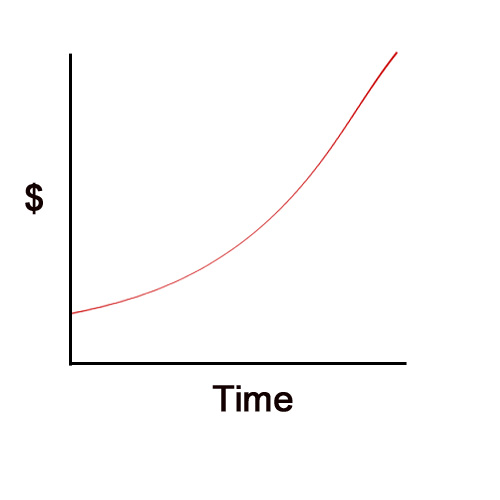
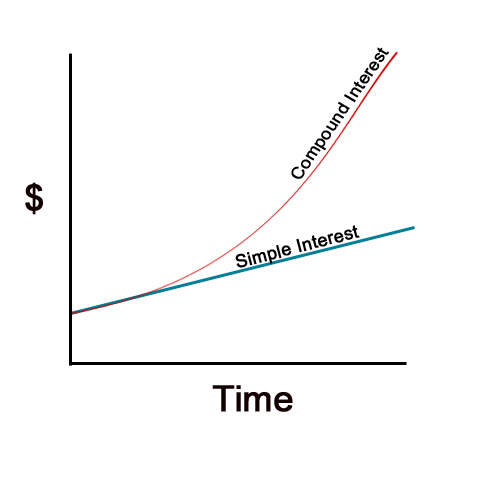
This graph shows the nature of compound interest. This is known as exponential growth. In order for you to see big results you need two ingredients: Time and Rate of Return.

What you need for Compound Interest to work well: Time and Growth Rate.

If you had 40 years to let your money grow you would be much better off than someone who only had 30, 20, or 10. Those last few years are critical to make the big returns. The sooner you pull your money out the sooner you stop all the compounding growth.


MoneyChimp Compound Interest Calculator

When you contrast simple growth with compound growth you can see the longterm difference between the two. Notice how similar the compound interest line and the simple interest line are in the beginning. The more time you give compound interest the more it will beat simple interest. The less time you give to compound interest the less it can perform.

Compound and Simple Interest Growth

Rule of 72

The rule of 72 helps you estimate how soon your money will double given a constant growth rate with compound interest. To use the rule of seventy-two take the growth rate and divide it into 72. The outcome will equal how many years it will take to double your money. This assumes a constant growth rate and that your investment is compounding.

72 / (growth rate) = Years to Double Investment

For example with a growth rate = 10%

72 / 10 = 7.2 Years

Answer: It will take 7.2 years to double your money with 10% return on your investment.

The rule of 72 isn’t an absolute but it will get you in the ball park. Another downside is that if your growth rate fluctuates too much the rule of 72 doesn’t work.


Summary

As you understand how compound interest works you can better plan your future. Compound interest is what makes retirement possible despite rising costs of living, inflation, and other costs. If you have any more to add please leave a comment.

Tagged with: